 Contact us


1. High-quality oil helps minimize evaporation under extreme heat during long trips
When trucks run long distances, especially while carrying heavy loads or climbing hills, the engine temperature increases significantly. If the oil lacks thermal stability, it begins to evaporate during operation, causing oil loss without any external leakage. High-quality engine oil with strong anti-evaporation properties maintains a stable oil level, ensuring consistent lubrication throughout the trip. This not only reduces the need for topping off oil mid-journey but also prevents critical damage to engine components caused by oil shortage—especially when traveling through remote or mountainous areas.
2. Better sealing and combustion cleanliness help reduce white smoke emissions from the exhaust
White smoke is often a result of oil seeping into the combustion chamber and burning along with fuel, forming vapor and soot. High-quality oil creates a strong lubrication film that seals the gap between the piston and cylinder wall, preventing oil from bypassing the piston rings. It also minimizes carbon buildup when exposed to high temperatures. As a result, white smoke from the exhaust is significantly reduced. This is especially critical during long hauls where the engine runs at high intensity and higher risk of oil seepage through worn or heated components.
3. A stable oil film prevents excessive friction and overheating, which causes a burning smell
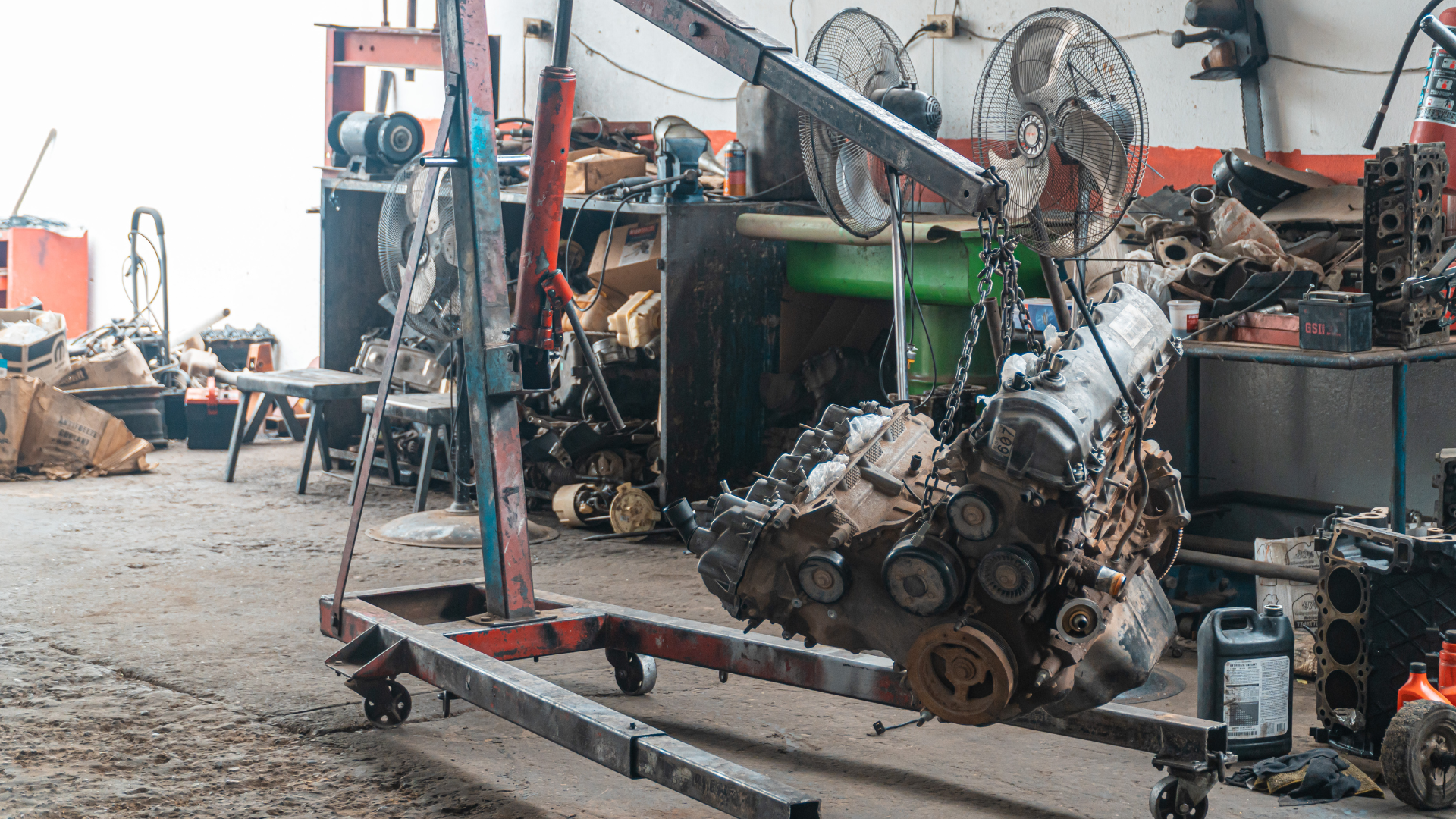
A common symptom of degraded oil after a long journey is a burning smell or unusually high engine temperature. This usually happens when the oil film breaks down due to prolonged heat or dilution, reducing its ability to prevent metal-to-metal contact. Premium engine oil maintains a consistent lubrication layer between moving parts like camshafts, bearings, and pulleys—even under intense conditions. This helps prevent friction spikes, overheating, and the unpleasant burning smell often noticed when the engine is stressed after long-distance driving.
4. Clean oil prevents carbon buildup and keeps the exhaust system running efficiently
During long trips, especially on highways or national routes, the engine and exhaust system operate at full capacity, producing high volumes of combustion byproducts. If the oil cannot keep these deposits suspended, soot and sludge may accumulate around the fuel injectors, EGR valves, or exhaust pipes—leading to blockages, reduced power, and white smoke. Clean, high-quality oil disperses contaminants effectively and carries them to the oil filter, preventing them from settling in the engine. This keeps critical components clean, improves fuel economy, and ensures a smoother ride with less smoke and odor after extended drives.
5. Choosing the right oil for long-distance trucking ensures consistent engine health and long-term savings
Investing in quality oil for trucks that routinely travel long distances delivers tangible results. Not only does it reduce oil consumption, but it also improves throttle response under load, prevents engine knock, and eliminates issues like burning smells or smoke during critical climbs or hot weather. For trips across provinces or through mountain passes, clean and stable oil ensures the engine stays cool, responsive, and reliable—helping drivers meet delivery deadlines without unexpected downtime. The true value of quality oil is not just in short-term protection, but in supporting long-term engine life and operational efficiency.
Conclusion
Yes, using high-quality engine oil can absolutely help reduce oil consumption, white smoke, and burning smells after long-distance truck journeys. With superior thermal stability, anti-wear protection, and sludge control, the right oil safeguards the engine from the inside out. Rather than just looking at oil change costs, consider it a strategic investment in safety, durability, and performance for every trip. A well-matched oil not only keeps your engine running strong—it offers peace of mind for drivers and fleet operators on every mile of the journey.