 Contact us

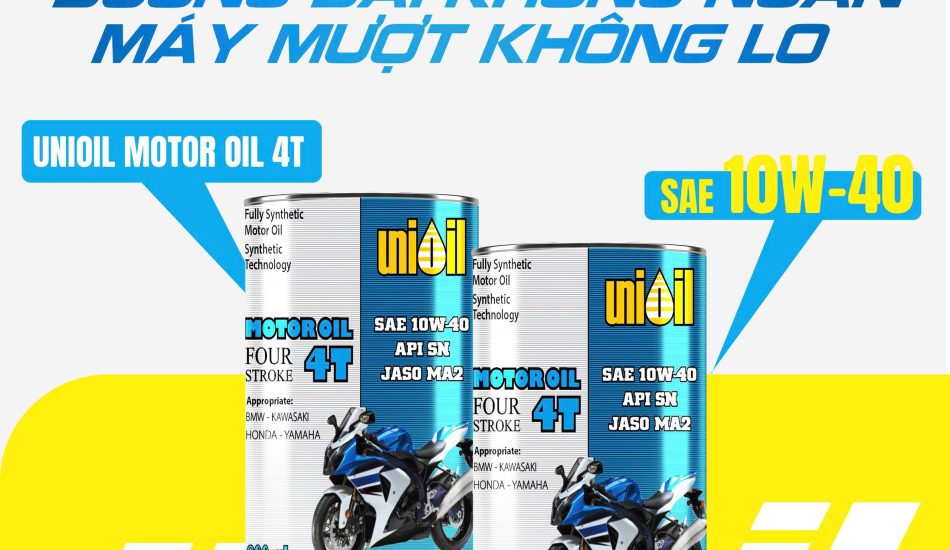
Buy a capable modern motorcycle, then save a few thousand đồng on cheap oil, and you never really get to enjoy what the bike can do — while quietly shortening its life. The oil is where that trade-off is won or lost, especially on the long rides these bikes are made for.
1. High-capacity engines are more demanding.
Modern, larger-displacement bikes spend more time at high rpm and high temperature, and they run tighter internal tolerances. There, the oil must hold a stable film so the engine keeps accelerating strongly and stays protected against wear. A basic oil tends to thin out under sustained heat and load — exactly when protection matters most — which is why matching the oil to the engine’s demands is so important.
2. The wet-clutch rule still applies.
Like every underbone or manual-clutch bike, a high-capacity 4-stroke needs a JASO MA/MA2 oil so the clutch grips and shifts stay crisp. A low-friction scooter oil will cause slip and vague gear changes — no matter how large or modern the engine is. This is a non-negotiable requirement, and the first box to tick before considering anything else about the oil.
3. What UNIOIL Motor Oil 4T brings.
Rated SAE 10W-40, API SN, JASO MA2, it is built for modern motorcycles: strong, responsive acceleration, a stable oil film under hard use, and reliable protection against wear and deposits so the engine stays clean. It is a sensible match for bikes ridden hard, ridden far, or both — the kind of oil that keeps a capable machine performing the way its maker intended.
4. Why the right oil pays for itself.
On a long trip, an oil that holds its viscosity means steadier power, less heat and better fuel efficiency — and, over the life of the bike, fewer repairs. The small extra cost of the correct grade is repaid many times over in reliability and resale value. Cutting corners on oil to save a little now almost always costs more later, in both performance and repair bills.
5. Keep it simple.
Change every 1,500–2,000 km, sooner if the engine runs hot or feels flat, and check the oil level before long journeys. Fill to the correct level and avoid mixing oils. Using the right grade on time is the easiest way to keep a good bike performing like one — mile after mile, year after year, on the long roads it was built to enjoy.