 Contact us

Introduction to Hydraulic Oil
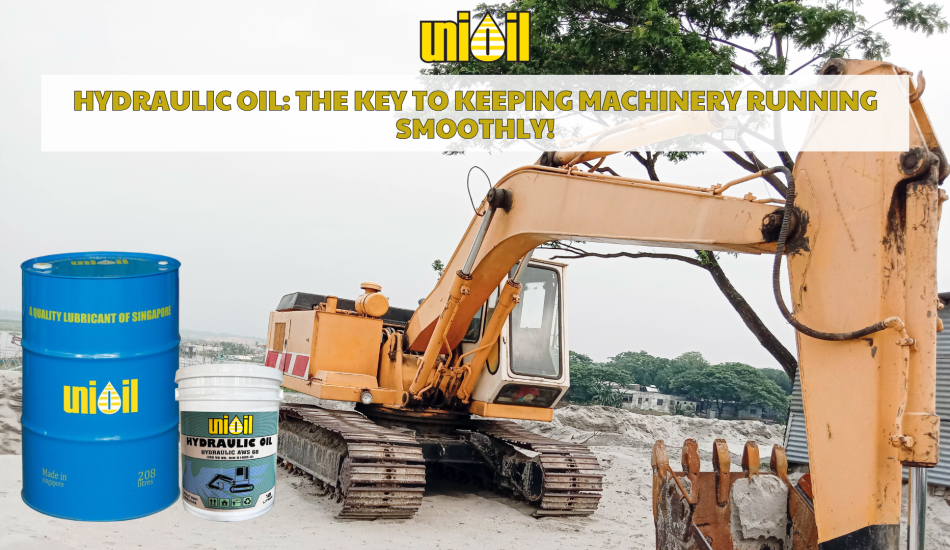
Hydraulic oil is an essential fluid used in various machinery and equipment to transmit power and ensure smooth operation. Its primary functions include lubrication, cooling, and protecting components from wear and tear. Understanding the importance of hydraulic oil and how to maintain it is crucial for maximizing the efficiency and lifespan of your equipment.
1. The Role of Hydraulic Oil in Machinery
Hydraulic oil plays a vital role in the functionality of hydraulic systems. It transmits power from one component to another, enabling machinery to perform various tasks effectively. A high-quality hydraulic oil ensures that the system operates smoothly, minimizes friction, and reduces the risk of overheating, ultimately enhancing productivity and performance.
2. Types of Hydraulic Oils
There are several types of hydraulic oils available, including mineral oils, synthetic oils, and biodegradable oils. Mineral oils are derived from refining crude oil and are commonly used for their cost-effectiveness. Synthetic oils, on the other hand, are engineered for superior performance, providing better lubrication and resistance to temperature changes. Biodegradable oils are becoming increasingly popular in environmentally sensitive applications, as they break down more easily in nature. Selecting the right type of hydraulic oil is essential based on your machinery’s requirements and operating conditions.
3. Importance of Regular Oil Changes
Regular oil changes are crucial for maintaining the efficiency of hydraulic systems. Over time, hydraulic oil can become contaminated with dirt, water, and other particles, leading to decreased performance and potential damage to components. It’s recommended to change hydraulic oil every 1,000 to 3,000 operating hours or as specified by the manufacturer. Keeping up with oil changes helps prevent costly repairs and ensures that your machinery operates at peak performance.
4. Monitoring Oil Quality
Monitoring the quality of hydraulic oil is essential for effective maintenance. Regularly check for signs of contamination, such as discoloration, cloudiness, or the presence of debris. A clean hydraulic oil should be clear and free from particles. If you notice any changes in the oil’s appearance or performance, it may be time for a change. Additionally, conducting routine fluid analysis can provide valuable insights into the oil’s condition and help you make informed maintenance decisions.
5. The Impact of Temperature on Hydraulic Oil
Temperature plays a significant role in the performance of hydraulic oil. Extreme temperatures can cause the oil to break down, affecting its viscosity and lubrication properties. It’s essential to monitor the operating temperature of your hydraulic system and ensure it remains within the recommended range. Proper cooling mechanisms, such as heat exchangers or cooling fans, can help maintain optimal temperatures and prolong the life of the hydraulic oil.
Conclusion
In conclusion, hydraulic oil is a key component in ensuring that machinery operates smoothly and efficiently. By understanding the role of hydraulic oil, choosing the right type, adhering to regular oil change schedules, monitoring oil quality, and managing temperature, you can enhance the performance and longevity of your equipment. Prioritize hydraulic oil maintenance to keep your machinery running at its best, ensuring reliability and productivity for years to come!