 Contact us

Introduction to Gear Oil
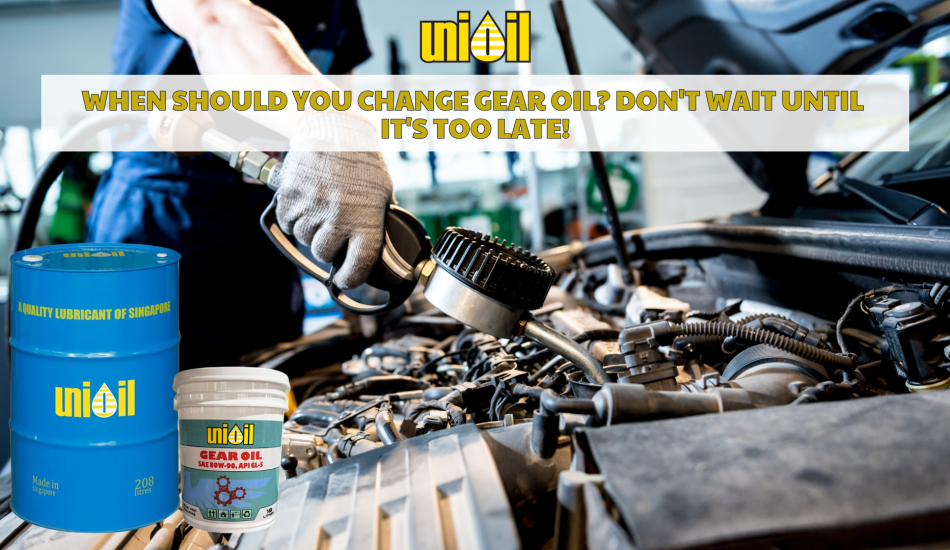
Gear oil is essential for the smooth operation of your vehicle’s transmission and differential systems. Its primary role is to lubricate the gears, reduce friction, and protect against wear. Understanding when to change gear oil can save you from costly repairs and ensure your vehicle operates efficiently.
1. Follow Manufacturer Guidelines
The first step in determining when to change your gear oil is to refer to your vehicle’s owner manual. Manufacturers typically provide specific recommendations based on mileage or time intervals. Adhering to these guidelines ensures you’re maintaining your vehicle according to the manufacturer’s standards, which can also help preserve your warranty.
2. Monitor Driving Conditions
Driving conditions significantly impact the frequency of gear oil changes. If you frequently drive in harsh conditions—such as extreme temperatures, heavy towing, or off-road driving—your gear oil may degrade faster. In such cases, it’s advisable to change the oil more frequently than the standard intervals suggested by the manufacturer.
3. Check for Oil Contamination
Another key indicator that it’s time to change your gear oil is contamination. Over time, dirt, metal particles, and moisture can accumulate in the oil, leading to decreased performance and potential damage to the gears. Regularly checking the oil’s color and consistency can help you determine if it’s time for a change. Clean oil should be clear and smooth, while dirty oil will appear dark and gritty.

4. Listen for Unusual Noises
Pay attention to any unusual noises coming from your vehicle. Grinding, whining, or clunking sounds can indicate that the gear oil is not providing adequate lubrication. If you notice these sounds, it’s crucial to check the oil level and quality immediately. Ignoring these warning signs could lead to severe damage and costly repairs.
5. Regular Maintenance Checks
Incorporating gear oil checks into your regular vehicle maintenance routine is essential. During these checks, inspect the oil level and condition. If you’re unsure about the state of your gear oil, consider having it professionally evaluated. Proactive maintenance can prevent issues before they escalate into significant problems.
Conclusion
Changing your gear oil at the right time is crucial for maintaining the health of your vehicle’s transmission and differential systems. By following manufacturer guidelines, monitoring driving conditions, checking for contamination, listening for unusual noises, and performing regular maintenance checks, you can ensure your vehicle operates smoothly. Don’t wait until it’s too late—schedule your gear oil change today to protect your investment and enjoy a safer driving experience!