 Contact us

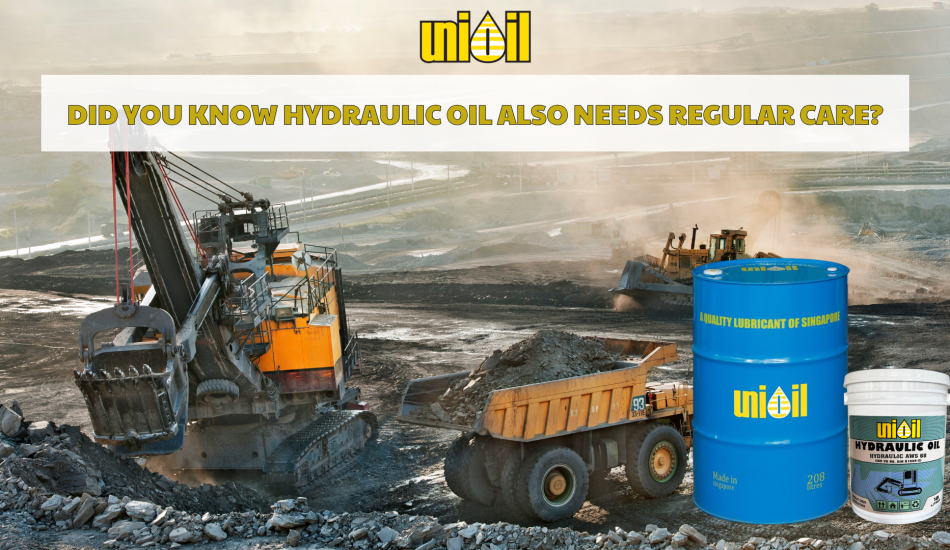
Introduction to Hydraulic Oil
Hydraulic oil is a vital component in hydraulic systems, powering machinery and equipment across various industries. Its primary function is to transmit power, lubricate components, and provide cooling. Regular maintenance of hydraulic oil is essential for optimal performance and longevity of your hydraulic systems.
1. Importance of Regular Maintenance
Regular maintenance of hydraulic oil is crucial to ensure that the system operates efficiently. Contaminated or degraded oil can lead to increased wear on hydraulic components, resulting in decreased performance and potential breakdowns. By maintaining the oil, you can prevent costly repairs and extend the lifespan of your equipment.
2. Monitoring Oil Quality
One of the key aspects of hydraulic oil maintenance is monitoring its quality. Over time, hydraulic oil can become contaminated with dirt, water, and other particles. Regularly checking the oil’s color and clarity can help you identify issues early. Clean hydraulic oil is typically clear and bright, while contaminated oil may appear dark or cloudy.
3. Scheduled Oil Changes
Just like engine oil, hydraulic oil should be changed at regular intervals. The frequency of oil changes depends on the type of hydraulic system, operating conditions, and the manufacturer’s recommendations. Generally, it’s advisable to change the oil every 1,000 to 3,000 operating hours or as specified in the equipment manual.
4. Understanding the Impact of Temperature
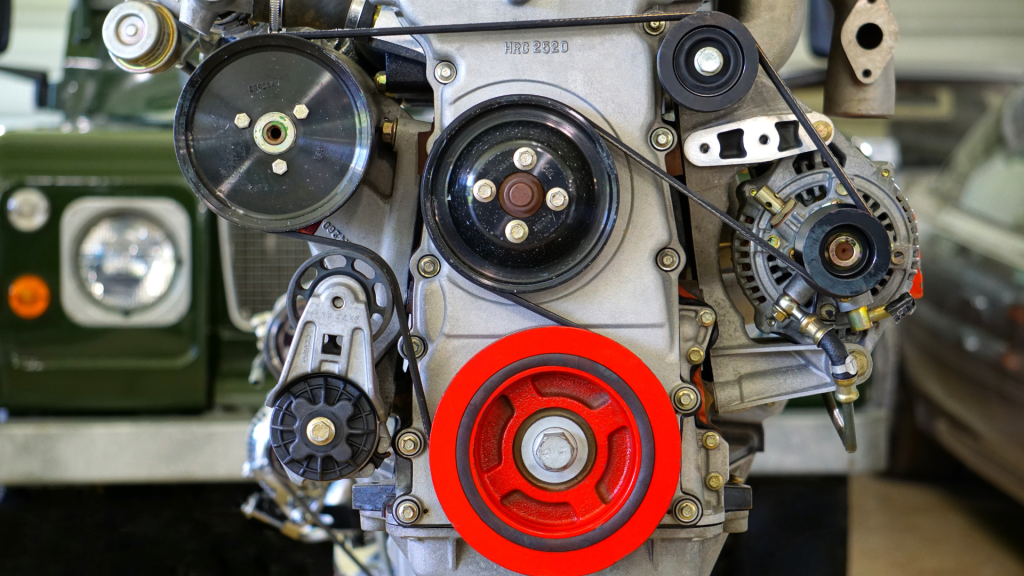
Temperature plays a significant role in the performance of hydraulic oil. Extreme temperatures can cause the oil to break down more quickly, affecting its viscosity and lubrication properties. Regularly checking the operating temperature and ensuring it remains within the recommended range can help maintain oil integrity and system efficiency.
5. Filtering and Contamination Control
Implementing proper filtration systems is essential to keep hydraulic oil clean. Contaminants can enter the system during operation, so using high-quality filters and regularly replacing them can significantly improve oil quality. Additionally, consider implementing contamination control measures, such as sealing systems and using proper storage techniques.
Conclusion
In conclusion, hydraulic oil requires regular care and maintenance to ensure the efficiency and longevity of hydraulic systems. By prioritizing oil quality, adhering to scheduled changes, monitoring temperature, and implementing effective filtration, you can keep your hydraulic systems running smoothly. Don’t overlook the importance of hydraulic oil maintenance—invest in your equipment today for better performance tomorrow!