 Contact us

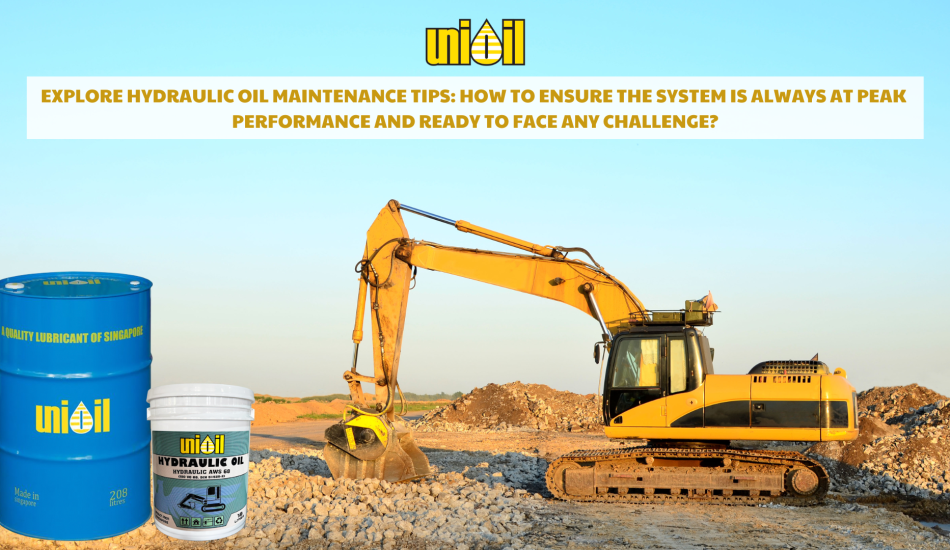
1. Why is Hydraulic Oil Maintenance Important?
Maintaining hydraulic oil is crucial for ensuring the performance of the hydraulic system. Hydraulic oil not only serves as a lubricant but also acts as the medium for energy transfer within the system. When the oil becomes contaminated or loses its properties, it can negatively impact system operation, leading to decreased efficiency, increased energy consumption, and even damage to components. To ensure that the hydraulic system operates effectively and reliably, regular maintenance and monitoring of oil quality are essential. This not only extends the life of the system but also ensures safety during operation.
2. Regularly Check Oil Quality
One of the key steps in hydraulic oil maintenance is to regularly check the quality of the oil. Users should frequently examine the color, viscosity, and cleanliness of the oil. Good hydraulic oil is typically clear and free from unusual odors. If the oil appears dark or contains sediments, this may indicate contamination and the need for replacement. Checking viscosity is also crucial, as oil that is too thick or too thin can lead to poor performance. Conducting regular checks will help you identify issues early and take timely corrective actions, thereby protecting your hydraulic system.
3. Change Oil Periodically
Changing oil periodically is an integral part of hydraulic oil maintenance. Regardless of how high-quality the oil is, over time it will lose its functionality and effectiveness. Timely oil changes will help remove contaminants, sediments, and moisture that may accumulate in the system. Users should refer to the manufacturer’s guidelines to determine the appropriate oil change intervals. Changing the oil not only helps maintain performance but also minimizes the risk of component damage. By adhering to a regular oil change schedule, you can ensure that your hydraulic system operates at its optimal level.
4. Inspect and Maintain System Components
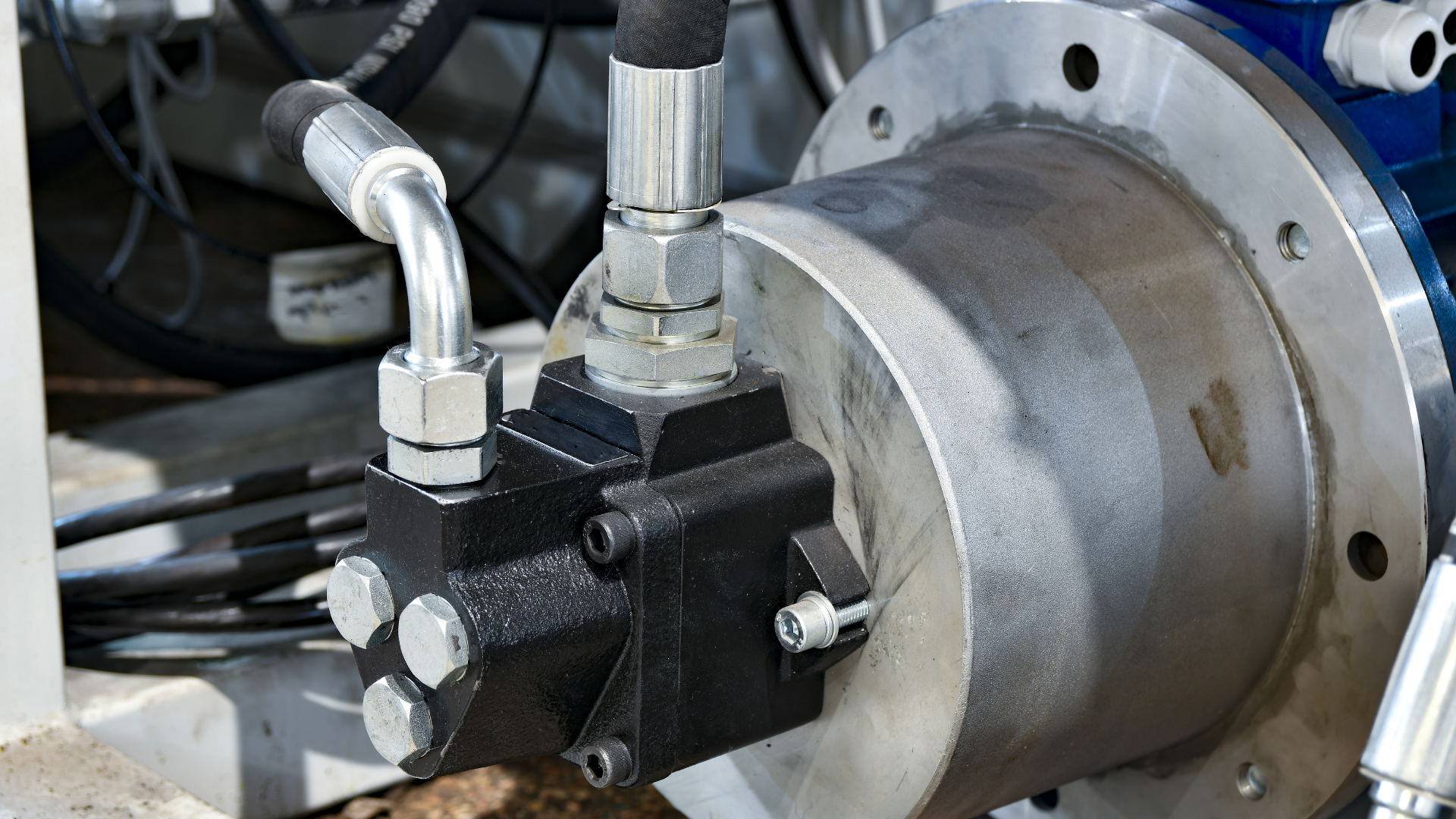
In addition to maintaining hydraulic oil, inspecting and maintaining the components of the system is also very important. Parts such as pumps, valves, and hoses can wear out or become damaged over time. Regular inspections will help identify early signs of wear or leaks, allowing for timely repair actions. Additionally, it is crucial to clean components to remove dirt and contaminants that could affect system performance. A well-maintained hydraulic system will not only operate efficiently but also ensure safety during use.
5. Conclusion
In summary, maintaining hydraulic oil is a vital process that ensures the system is always at peak performance and ready to face any challenges. Regularly checking oil quality, changing oil at the right time, and maintaining system components will help extend the life and enhance the performance of the hydraulic system. Always prioritize routine maintenance to ensure that your system operates safely and efficiently, thus protecting your investment and increasing productivity in your work. A healthy hydraulic system not only delivers high performance but also provides peace of mind in every operation.