 Contact us


Hydraulic oil is considered the “lifeblood” of the hydraulic system, so it is very important to understand the operating characteristics as well as the common problems encountered when using hydraulic oil.
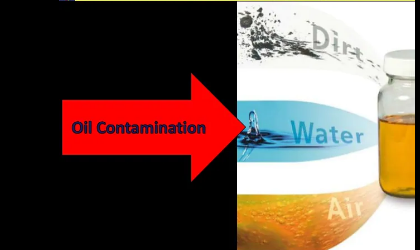
Among the common hydraulic oil problems, water contamination is known to be the most common, followed by gas and solid contamination which causes serious damage to the hydraulic system, becoming a major problem. accidents are of concern to businesses.
To better understand this problem, the following article Unioil Lubricants will analyze for you to better understand the causes and how to handle when hydraulic oil is contaminated, follow along!
1. Causes of contaminated hydraulic oil
Hydraulic oil is contaminated by many agents: solids, gases and water, of which water contamination is the most common. In addition to hydraulic oil, other oils are also very often contaminated with water such as turbine oil, circulating oil, engine oil, gear oil, etc. Poor quality hydraulic oils even though they are new have a high amount of impurities and during use also increase the possibility of contamination because of the very poor air separation, water separation and anti-wear performance of these oils.

1.1 / Hydraulic oil contaminated with water
Oil contaminated with water is also known as oil and water.
Water is the most common agent of oil contamination.Water contamination usually occurs in places with high air humidity, no ventilation, water vapor enters the hydraulic system during heat exchange at shutdown; new oil is contaminated with water before being pumped into the system; water contamination of the system through worn hydraulic oil seals and through open or cracked hoses; due to water leakage from the cooling system.

Oil water measuring unit length
The unit of measurement for oil is ppm (parts per million). The higher the water contamination, the shorter the life of the device. ppm = amount of water in 1 unit oil. For example, the degree of contamination is 100ppm = 100 X 1 / 1000,000 X 100% = 0.01%.
Harm of hydraulic oil contaminated with water
Water contamination can seriously damage hydraulic systems. All water contamination is harmful to the hydraulic system, but emulsion is the most damaging. If using a hydraulic oil product with good water separation properties, it will limit emulsification and will separate into two separate layers to minimize system damage and easily separate water from the system.
Water is the leading cause of air bubbles in hydraulic pumps, steam passing between load-bearing surfaces under high pressure will be broken off causing damage to metal surfaces. Depending on the oil type and temperature, the gear life can be reduced to ¼ of normal when the oil is contaminated with water. Using a hydraulic oil product with good water separation properties will help minimize damage to the hydraulic system.
Most contamination results in a change in the viscosity of the lubricant which changes the thickness of the oil film. Viscosity is the most important physical property of a lubricant. Any change in viscosity affects the accuracy of the instrument. Contamination of water will cause loss of oil film strength so that the lubricant will not perform its best lubricating function.
Another negative effect is that water degrades the amount of additives in the oil. Water can promote oxidation at high temperatures leading to the formation of oxidants and free radicals. These substances will then be neutralized by the additives that inhibit oxidation in the oil, so the antioxidant performance of the oil will be severely reduced.
Oil and water will negatively affect the base oil, causing problems such as oxidation, hydrolysis, poor gas separation. During oxidation and hydrolysis, water changes the physical and chemical properties of mineral oils and some synthetic oils leading to acid formation, changes in viscosity, varnishes and deposits.
It is a condition in which hydraulic oil appears solid matter including dust, metal particles, and residues that appear during friction with metal surfaces.
The appearance of dirt usually comes from two common ways:
– Contaminant contamination into hydraulic oil during storage, transportation and injection of oil into the machine.
– Contaminants entering the system during operation and maintenance.
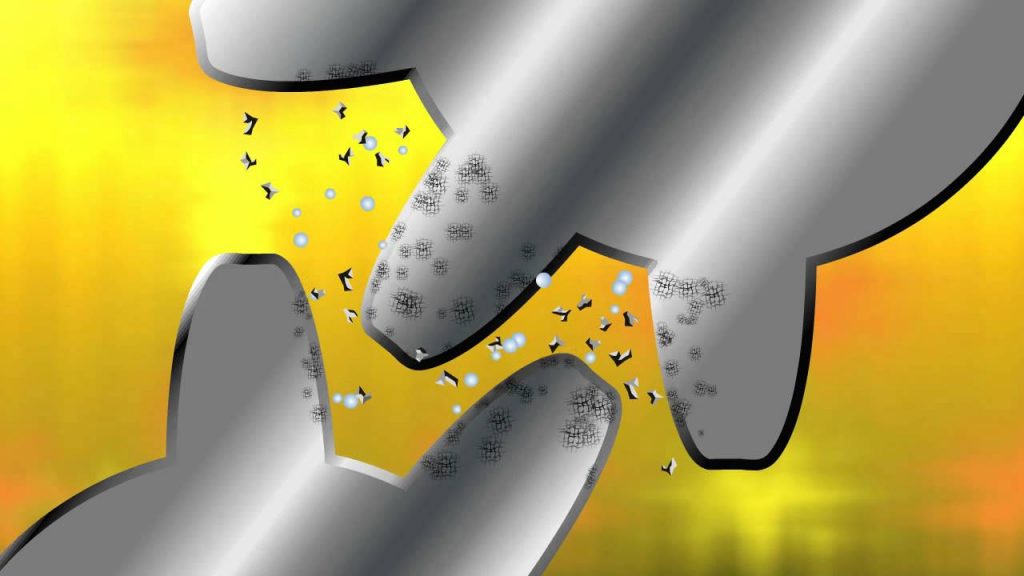
- Abrasive solids: copper, metal, silica, aluminum, plastic, etc. These substances are present in the oil due to abrasion of machine parts.
- Non-abrasive solids: carbon, soot, dust, rubber, cotton, yarn, nylon, etc. These substances enter the system during oil pumping.
Therefore, using hydraulic oils, gear oils, etc. with high anti-wear properties, will help limit wear on system parts and increase the life and durability of the system. system.
1.3/ Pollution caused by gas
Gas contamination is mainly caused by air entering the oil due to low oil level in the tank, damaged oil seal, clogged oil flow, and improper design of the pipeline and oil tank.

According to experts, in hydraulic systems 70 to 90% of wear and tear and failure are related to contamination, only 10 to 30% are due to improper use, failure or life of the equipment.
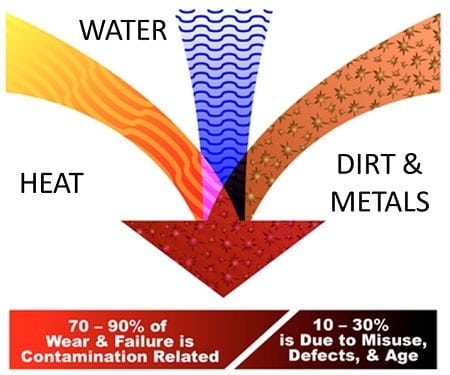
Oil contamination cannot be completely eliminated, it can only be prevented and controlled to limit harmful effects on equipment and prolong oil life!
System performance can be reduced by up to 20% before an operator detects oil problems. If not detected early, it can lead to conditions such as slow cylinder action, jerky steering, erratic operation or lower performance.
As such, we can see that contamination in the oil leads to shorter service intervals, higher maintenance costs and reduced productivity and operating life of the machinery system. Therefore, when operating the machine, we need to pay attention to oil problems so that we can overcome and handle it in time.
2. How to separate water from hydraulic oil?
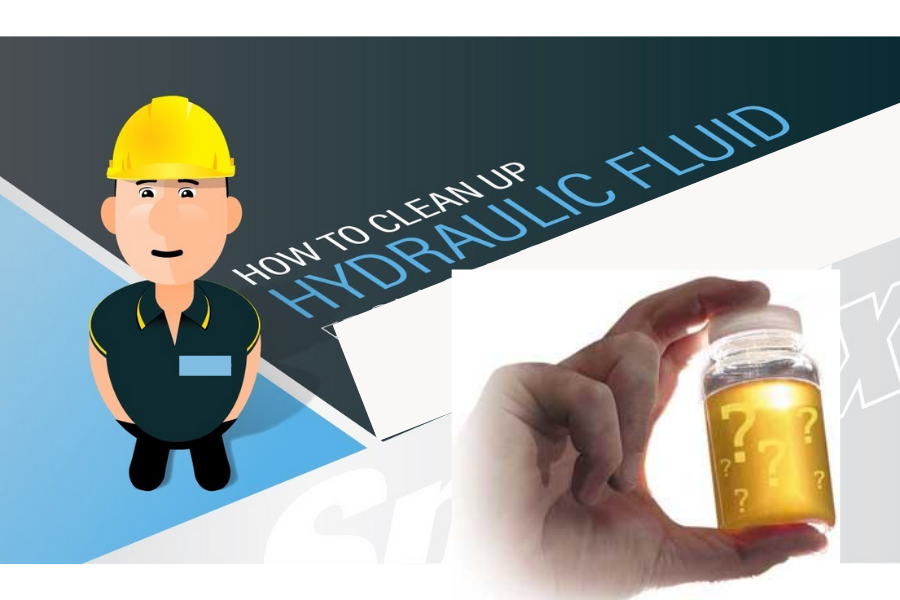
Hydraulic oil that turns cloudy or milky-white emulsions is a sign of the oil being contaminated with water or other contaminants. After analyzing the oil sample, if it is determined that there is water content in the oil, it must immediately separate the water from the oil or change the oil. Separating the water from the oil is much less expensive than changing the oil.
Methods for separating free water (unstable suspension) and emulsified water (stable suspension) include:
- Use polymer filter.
- Vacuum distillation technique
- Dehumidification method
Polymer filter – just like conventional filters, however the filter media is filled with a super absorbent polymer. Water causes the polymer to swell and retain water. Polymer filtration is most suitable for separating small amounts of water and/or keeping water within defined limits.
Vacuum Distillation– This technique combines heat and vacuum. Under a pressure of 0.84 atm, the water boils at 56°C allowing the water to separate without damaging the oil or its additives.
Dehumidification – This method circulates and dries the air in the upper part of the oil bath. The water vapor in the oil will be sucked into the dry air and sucked out by the dehumidifier.
Vacuum distillation and dehumidification also separate oil-soluble water.
However, in the case of small water-contaminated systems, an oil change can be more cost-effective than using the above methods to separate the water.
3. How to prevent contamination of hydraulic oil

– Store oil tanks indoors with a roof, avoid exposure to sunlight and rain, and moisture, especially once the lid is opened and used.
– Keep the environment around the work area dry.
– Make sure the oil pump tool is not contaminated.
– For hydraulic systems that are cooled by water, regularly check the system for alum or rotted leaves and cooling pipes to detect leaks and take action to replace them. the most timely treatment.
– It is recommended to periodically analyze the hydraulic oil sample in use to monitor the oil condition and give an appropriate oil change cycle. Customers using Unioil Lubricants lubricants will be supported with periodic sample analysis.
– It is recommended to use quality hydraulic oil products with important features such as anti-wear, good water separation, good air separation to protect machinery and limit the impact of oil contamination.
Hydraulic oil is an oil with physico-chemical stability and is difficult to be affected by the external environment. However, during operation, if careless, the phenomenon of oil contamination will occur frequently. The effect of contaminated oil is unstable in terms of lubricating performance with serious consequences for hydraulic systems. Therefore, be a wise consumer when choosing and using specialized technical lubricants.
Epilogue:
Hopefully through the article that Unioil Lubricants has shared, it will help you better understand about contaminated hydraulic oil and how to handle it. If you are looking for or need to use hydraulic oil, please contact us through the Hotline below for the most detailed advice.
MIENNAMPETRO GAS AND OIL IMPORT-EXPORT ONE-MEMBER LIMITED LIABILITY COMPANY
Address Office: 156 Vanh Dai Trong Street, Binh Tri Dong B, Binh Tan District, Ho Chi Minh
Hotline/Viber/Zalo: 84903336870
Email: info@unilubrication.com
Website: www.unilubrication.com
Facebook: facebook.com/Unilubrication