 Contact us

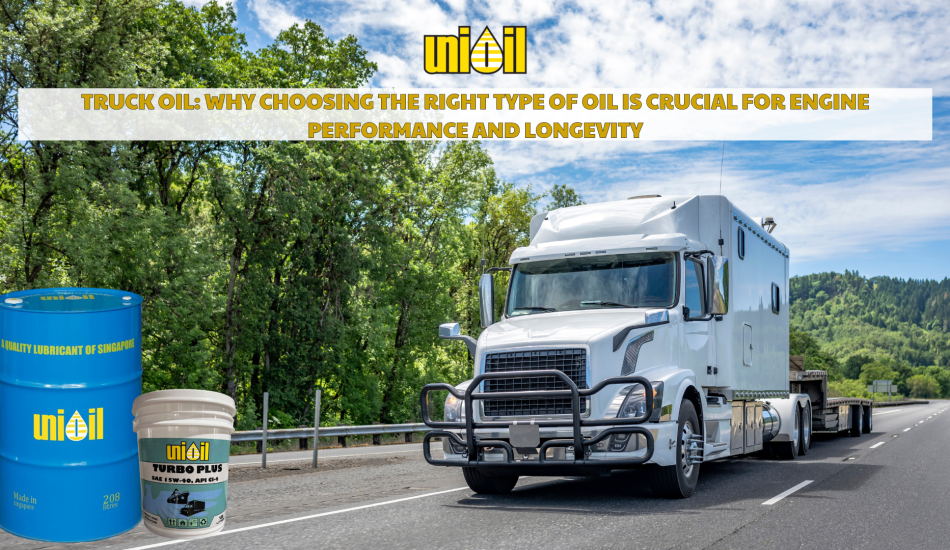
Selecting the appropriate oil for your truck is essential for ensuring optimal engine performance and longevity. The right oil plays a significant role in how well your engine operates under various conditions, and making an informed choice can greatly impact the lifespan of your vehicle. This article will explore the importance of choosing the right truck oil and provide guidance on how to make the best selection.
1. Understanding the Different Types of Truck Oil
Truck oils come in various formulations, each designed for specific engine types and operating conditions. The most common types include conventional oil, synthetic oil, and semi-synthetic oil. Conventional oil is derived from crude oil and provides adequate protection for most engines. Synthetic oil, on the other hand, is chemically engineered to offer superior performance, especially in extreme temperatures and heavy-duty applications. Semi-synthetic oil combines both types, providing a balance of performance and cost-effectiveness. Understanding these types and their applications is the first step in making an informed choice.
2. The Impact of Oil Viscosity on Engine Performance
Oil viscosity is another critical factor to consider when selecting truck oil. Viscosity refers to the thickness of the oil and its ability to flow at certain temperatures. Truck engines operate under a variety of conditions, and using oil with the appropriate viscosity can significantly affect performance. For instance, oils with higher viscosity may provide better protection in high-temperature conditions, while lower viscosity oils can improve fuel efficiency in colder climates. Always refer to your truck manufacturer’s recommendations for the correct viscosity grade to ensure optimal engine operation.
3. The Role of Additives in Truck Oil
Modern truck oils often contain a range of additives designed to enhance performance and protect engine components. These additives include anti-wear agents, detergents, and corrosion inhibitors, all of which contribute to the overall effectiveness of the oil. Choosing an oil with the right additives is essential for maintaining engine cleanliness, reducing wear, and preventing corrosion. Be sure to check the oil specifications to ensure that it contains the necessary additives for your engine’s specific requirements.
4. Considering Operating Conditions and Load Requirements
The operating conditions and load requirements of your truck also play a significant role in your oil selection. Trucks used for heavy-duty applications or frequent towing may require oils specifically formulated to withstand higher pressures and temperatures. Conversely, trucks used for lighter duties may not need such robust formulations. Understanding your truck’s operational demands will help you choose an oil that can effectively handle the stresses placed on the engine, thereby enhancing performance and longevity.

5. The Importance of Regular Oil Changes
Even with the right oil, regular oil changes are crucial for maintaining engine health. Over time, oil can become contaminated with dirt, debris, and other particles, which can compromise its effectiveness. Establishing a routine for changing the oil at recommended intervals will help ensure that your truck’s engine remains protected and operates efficiently. Regular maintenance not only prolongs engine life but also enhances overall vehicle performance.
Conclusion
Choosing the right truck oil is vital for ensuring engine performance and longevity. By understanding the different types of truck oil, the importance of viscosity, the role of additives, and the impact of operating conditions, you can make informed decisions that enhance the efficiency of your vehicle. Remember that regular oil changes are also essential for maintaining engine health. Prioritizing the right oil and maintenance practices will ultimately protect your investment and provide a smoother driving experience.