 Contact us

1. Understand the Manufacturer’s Requirements
To optimize your car’s performance, the first and most important step is to understand the manufacturer’s requirements regarding the type of engine oil to use. Each vehicle has its own specific technical specifications, including viscosity and quality standards. Refer to the owner’s manual or technical documentation to gather accurate information. Choosing the right oil not only ensures smooth engine operation but also extends the vehicle’s lifespan.
2. Assess Operating Conditions
The operating conditions of your vehicle significantly impact the type of engine oil you should choose. If your car frequently operates in harsh environments, such as high temperatures, high humidity, or poor road conditions, selecting oil with anti-wear and oxidation resistance becomes crucial. Evaluate your vehicle’s usage conditions to choose the most suitable oil that protects the engine and optimizes performance.
3. Monitor Oil Change Intervals
A vital strategy in optimizing vehicle performance is to monitor the scheduled oil change intervals. Engine oil loses its lubrication and protective properties over time, so timely oil changes are essential. Remember the oil change schedule recommended by the manufacturer and ensure you adhere to it. This not only helps maintain operational performance but also minimizes the risk of engine damage.
4. Check Oil Quality Regularly
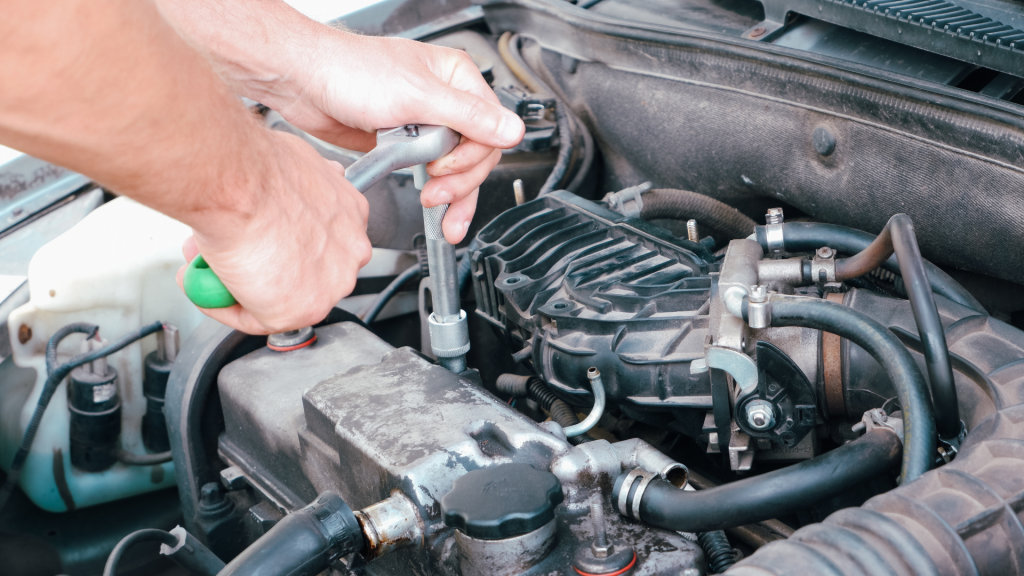
Regularly checking the quality of the engine oil is one of the most effective strategies for optimizing performance. High-quality oil typically allows the engine to operate more efficiently and provides better protection. Pay attention to the oil’s color, viscosity, and the presence of any contaminants. If you notice any signs indicating that the oil is contaminated or has lost its lubrication properties, change the oil immediately to protect the engine and maintain performance.
5. Seek Expert Advice
Finally, do not hesitate to seek advice from experts in the field of engines and engine oils. They can help you understand your vehicle’s specific needs and recommend the most suitable oil types. Consulting experienced professionals will aid you in making informed decisions, optimizing performance, and extending the lifespan of your engine system.
6. Conclusion
In conclusion, optimizing car performance through the selection of appropriate engine oil is essential. From understanding the manufacturer’s requirements, assessing operating conditions, monitoring oil change intervals, checking oil quality, to seeking expert advice, all contribute to maintaining the vehicle’s operational performance. Investing time and effort in choosing the right engine oil will yield long-term benefits for you and your vehicle.