 Contact us

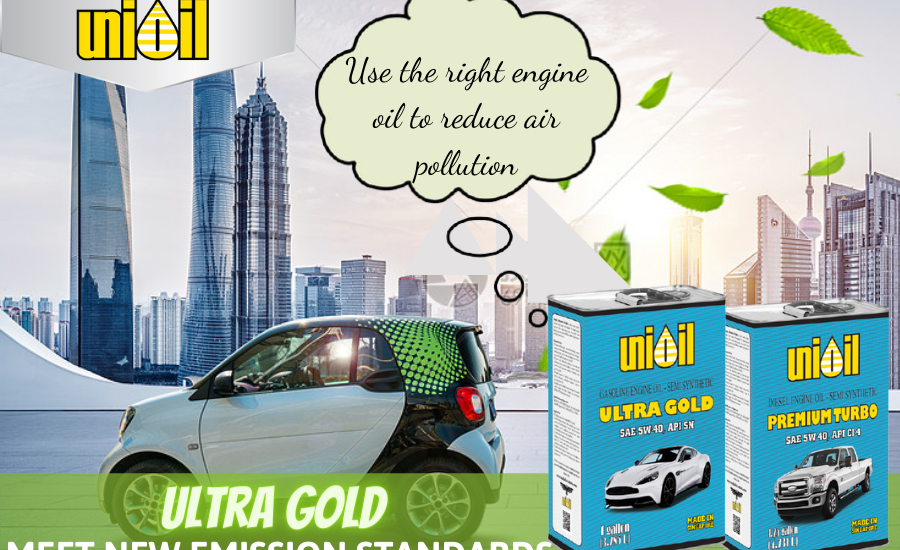
Lubricants can provide many different functions in a given equipment system. They are generally expected to reduce friction, wear and heat in machine components. One of the often overlooked functions of a lubricant is its ability to generate emissions that affect the environment.
For vehicles, by choosing the right engine oil, you can help reduce some of the harmful pollutants released into the environment without affecting your vehicle’s lubrication and lubricant performance. slippery. To understand more about this issue, Unioil Lubricants will analyze for you to better understand through the article below, stay tuned!
I. Potential factors causing air pollution

1. Emission factors
When you think of emissions, the first thing that usually comes to mind is your personal car’s exhaust. These emissions increase over time and lead to stricter emission control regulations being enacted to limit emissions. There’s even a mandatory requirement for vehicle emissions testing, known as smog testing. Much of this has to do with how fuel is consumed in the combustion cycle. The more completely the fuel is burned, the less harmful emissions are produced.
2. Base oil
While a number of factors can influence how lubrication affects the working environment, let’s start by examining the basic composition of the finished lubricant, which is the base oil.
Base oil is oil without any additives. Oil-based oils are generally classified into three categories: oils, vegetable oils and synthetic oils. The majority of the sections are primarily oil-based, with oil synthesis rapidly increasing in price. Performance oils are increasingly common, but are mostly only introduced to areas where environmentally sound machine operation, total consumable lubrication systems are required, and some product processing applications are required.
Each base oil has its own strengths and weaknesses, which will determine how effective it can be in emissions testing.
3. Additives
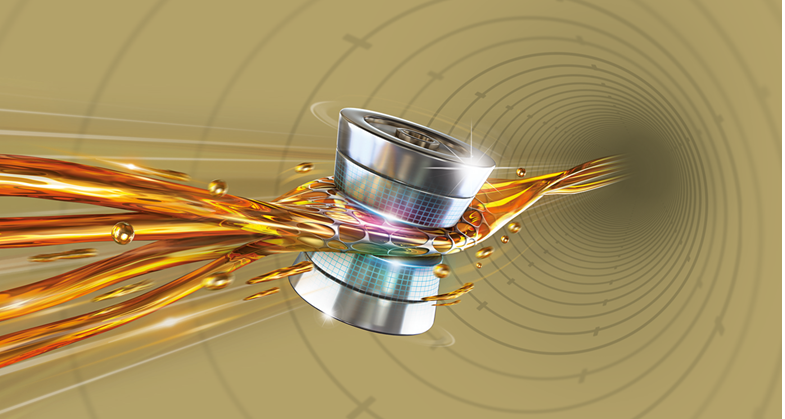
In addition to the base oil, additives are the other basic components of the finished lubricant. Additives are blended into the base oil to impart, suppress or enhance the properties of the oil. Depending on the application, different amounts and types of additives are added to the oil to allow the oil to perform better in the equipment.
To reduce emissions and make your equipment run more efficiently, you should focus on three main types of additives: friction control additives, detergents and dispersants.
- Friction control additives leave a plastic chemical film on the machine surface to prevent parts from sticking together and reduce friction between surfaces in the absence of a liquid film. You may be familiar with these two types of additives known as anti-wear (AW) and extreme pressure (EP) additives.
However, a third type, known as a friction modifier, is used in most energy-efficient lubricants. These additives require less activation energy, usually in the form of heat, to operate in the friction regions.
Simply put, they start operating at a lower temperature than traditional AW and EP additives and can therefore further reduce energy consumption. In engines, they can also help reduce emissions.
- Detergents serve two purposes: cleaning deposits from high-temperature areas and neutralizing acids that form during the fuel combustion cycle.
During fuel combustion, by-products are generated that can pass through the piston rings and contaminate the engine oil.
If left unchecked, these gases are acidic, causing the engine oil to degrade resulting in shorter oil change intervals and poor lubricity. Detergents neutralize acids before they become a problem, thus prolonging oil change intervals and reducing the risk of these acids causing engine corrosion.
- As is the case with most additives, detergents are also consumable and have a limited lifespan. Normally, once the detergent level drops to 50%, the oil must be changed.
Dispersants are used to control soot deposition. Carbon black is a by-product of combustion. Over time, soot can build up and lead to increased oil viscosity, reduced lubricity, increased wear, and shorter oil change intervals. Good dispersibility is the key to optimum performance and maximum engine life.
The dispersant helps prevent soot from agglomerating and settling out of the oil. If the soot is still finely divided and suspended in the oil, you have a much better chance of filtering it out and preventing the associated deposits. This can keep the valve and ring free of movement, minimizing emissions and acid formation.
II. How to choose the right type of good lubricant and protect the environment?

Possibly the most important application where emissions can be controlled with proper lubrication is in internal combustion engines. These types of engines are responsible for a large amount of emissions into the atmosphere, as most people drive to work or to commute in daily life.
When choosing an engine oil, you should pay attention to the oil performance classification issued by the American Petroleum Institute (API). This classification will tell you if the oil meets the standards set forth by the API to meet certain requirements, such as engine type, performance, emissions and efficiency. fuel or not.
- For gasoline engines, API classifications beginning with the letter “S”, such as API SN, are the most current classifications available. For diesel engines, the API classification begins with the letter “C,” with the latest oil grade being API CK-4. There are formulation differences between grades, so it’s best to know what your particular engine requires when buying oil for your vehicle.
- Another characteristic found on some engine oils is specifically related to fuel efficiency, for example when you see API SN-RC oil grade. If an engine oil product has that feature, at the bottom of the API engine oil classification icon you will see the phrase RESOURCE CONSERVING, meaning “energy saving” or “resource saving” as in picture below.
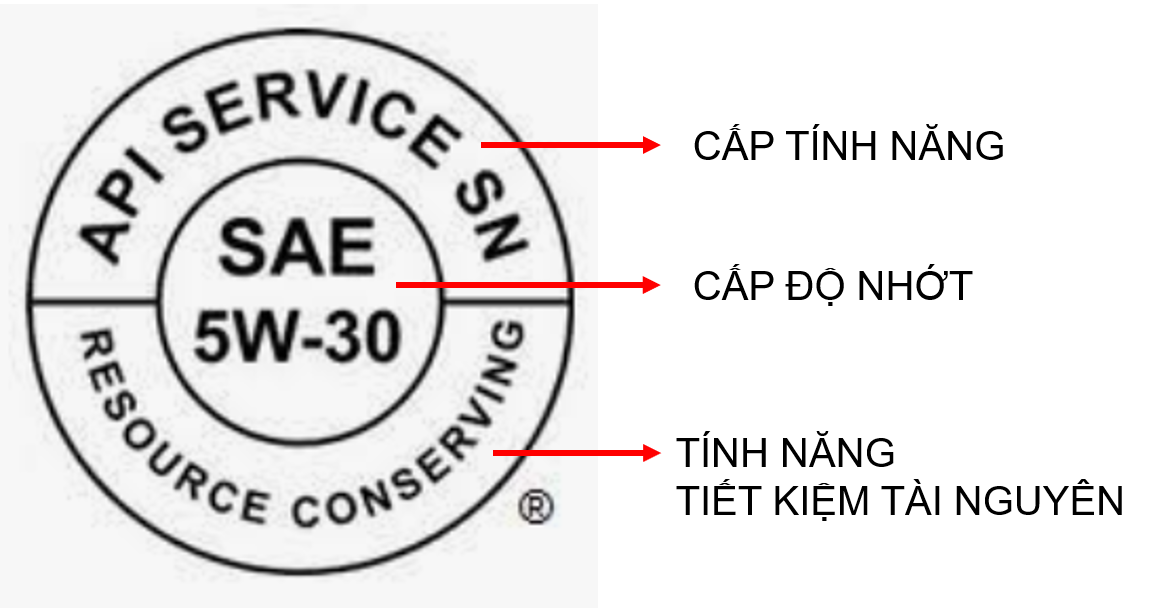
That means this engine oil has passed or passed the ASTM fuel economy test. In this test, oil is injected into the test engine to measure fuel economy.
The current trend in the automotive industry is to increase fuel economy as much as possible to protect the environment by using more liquid viscosity grades, better base oils and additives that meet the requirements of the industry. requirements of modern engines.
- Perhaps the biggest problem that makes it difficult to treat exhaust gases of vehicles is the formation of nitrogen oxides NOx – a toxic gas that directly affects human health.
Modern engines operating at higher temperatures and higher pressures result in a larger amount of NOx in the exhaust. The substance is then ejected from the exhaust pipe and into the atmosphere.
To limit NOx emissions, many diesel engine manufacturers have used EGR exhaust gas recirculation systems. The EGR system works by returning a portion of the cooled exhaust gas to the intake manifold of the engine to reduce the percentage of oxygen in the intake air, thereby reducing the temperature of the combustion air mixture in the combustion chamber and helping to reduce NOx formation.
The EGR system introduces combustible gases into the combustion chamber thereby increasing the pressure on the engine oil to further clean harmful contaminants from the exhaust. This increases the risk of engine damage and the engine oil degrades rapidly, thus requiring higher performance engine oils.
Always keep in mind that by matching your engine’s requirements with the performance of your oil, you can not only prolong the life of your engine, but you can also help protect the environment in which we live.
III. Lubricants meet emission standards and the latest technologies in automotive exhaust treatment.

Currently, there are many types of lubricants on the market. However, customers need to choose the right quality oil, to be able to protect their engine and limit environmental pollution from exhaust gases.
Unioil Lubricants with a team of engineers with many years of experience in the lubricant industry, along with modern laboratory equipment, has launched lubricant products that meet emission standards and the latest technologies in treatment. current automobile emissions management.
Here, Unioil Lubricants would like to introduce to readers the product UNIOIL ULTRA GOLD is formatted from 100% synthetic base stock and super quality additives, designed for the most modern car, passenger car, light truck, high performance, high speed, heavy load, fuel economy and new emission standards.

UNIOIL ULTRA GOLD meet emission standards and the latest technologies in automotive exhaust treatment.
Characteristics
- Using pure synthetic and friction modifier ester –synthetic technology, providing superior lubricating effect over all other synthetic or mineral, increasing engine efficiency up to 25%, simultaneously fuel savings up to 20%.
- Excellent anti-corrosion, anti-wear, prevent formation deposits, ensure tightness help engine work maximum power.
- High mobility, easy to start up under all conditions.
- Excellent thermal stability and resistance oxidation due to the use of synthetic base, long use time double with other mineral base oil, ensure continuous long lubrication and increase engine life.
Specifications and Approvals
- SAE 5W-40.
- API SN.
- ACEA A3/B3, A3/B4.
Applications
- Designed for the new generation automotive engine, naturally aspirated or turbocharged diesel engines of famous manufacturers require SN quality: Toyota, Honda, BWM, Mercedes – Benz, Ford, Hyundai, Kia, Mazda, Nissan, Mitsubishi Motors, Das Auto… and suitable for European emission standards: IV, V, VI.
- Interval drain is recommended at 10000 – 13000km to maintain performance.
Epilogue :
Thus, hopefully through the sharing of Unioil Lubricants , it will help you better understand and be able to choose the right engine oil and help reduce air pollution. If you have a need to use or learn, please contact the hotline below for advice and support as soon as possible.
MIENNAMPETRO GAS AND OIL IMPORT-EXPORT ONE-MEMBER LIMITED LIABILITY COMPANY
Address Office: 156 Vanh Dai Trong Street, Binh Tri Dong B, Binh Tan District, Ho Chi Minh
Hotline/Viber/Zalo: 84903336870
Email: info@unilubrication.com
Website: www.unilubrication.com
Facebook: facebook.com/Unilubrication