 Contact us


Heat transfer is a process of heat exchange between two media through a wall, through a heat transfer fluid. At this article, Unioil We would like to share with our customers the information about glycol based (glycol based) heat transfer medium and its applications in industries, so that customers can choose the right type and bring the best quality. highly effective again.
1. How many types of heat transfer Fluid are there?
During the exchange of the heat transfer Fluid, it plays an intermediary role in receiving heat from the heat source (burner, resistor, …) and transferring heat to the system equipment.
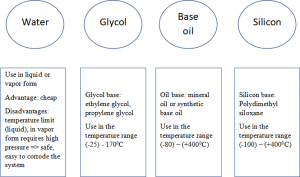
There are different types of heat transfer fluid, and they are classified based on their chemical origin, divided into 4 categories:
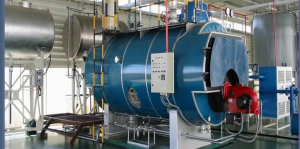
Heat transfer Fluid (heat carrier) is widely used in heat transfer systems of industries such as processing, food, chemical plants, textile manufacturing, wood, paper, plastic, etc. cement, asphalt cooking and oil radiators, etc. In addition, it is also used to transfer and transmit heat for a number of domestic appliances such as porridge cookers, heating systems, drying, boilers, etc. …
2. Characteristics – properties of glycol-based heat transfer media
There are two commonly used types of glycol-based heat transfer fluid, Ethylene glycol and Propylene glycol, combined with additives to improve oxidation stability, prevent corrosion, rust, etc.
Ethylene glycol base
- Ethylene Glycol is common in heat transfer applications where the temperature in the heat transfer fluid can be below 32 o F (0 o C). Ethylene glycol is also commonly used in heating applications that may temporarily be idle (cold) in freezing surroundings – such as cars and machinery with water-cooled engines.
- Ethylene Glycol is the most common antifreeze liquid for standard heating and cooling applications. Ethylene glycol should be avoided if there is the slightest possibility of leakage into drinking water or food processing systems. Instead, solutions based on propylene glycol are often used.
- The specific heat, viscosity, and specific gravity of water and ethylene glycol solutions vary significantly with the percentage of ethylene glycol and the temperature of the liquid. The properties are so different from clean water that ethylene glycol heat transfer systems need to be carefully calculated for the actual temperature and solution.

Application temperature range from (-40 to + 170 0 C)
Propylene glycol
It is a colorless viscous liquid with a weak characteristic odor, sweet taste and hygroscopic properties. Chemically inert, safe for humans. It is more expensive than ethylene glycol, but Propylene glycol has a very low level of toxicity, so low that the U.S. Food and Drug Administration has classified it as a “recognized as safe” additive to use. in food.
The properties of propylene glycol are similar to those of ethylene glycol, however Propylene glycol is more commonly used in refrigeration or heating applications in the food and pharmaceutical industries due to its safety properties.
3. Applications of glycol-based heat transfer fluid
What are the advantages of glycol-based ?
- Long lasting performance
Has a long service life and can operate for many years in properly maintained systems. Special anti-corrosion additives support higher temperature operation
- Protection against corrosion
Formulated with selective corrosion inhibitors to help protect metal parts of process equipment, thereby improving process efficiency and reducing maintenance costs
- Safety features
Compared with the use of conventional base oils for heat transfer, the use of glycol-based fluids is safer for users and the environment.
Application areas in the glycol-based heat transfer industry are quite extensive:
| Ethylene glycol | Propylene glycol |
| Heating for moderate temperature applications (< 170 0 C)
Cooling of electronic systems and components Cooling of electronic data centers Automotive and aviation industry |
Heating for moderate temperature applications (< 170 0 C)
Medicine Tobacco production Food and food production Automotive and aviation industry Oil and gas industry Cosmetology, perfume
|
EPILOGUE:
Unioil has researched and produced a glycol-based heat transfer fluid with excellent and environmentally friendly features. Please contact us for advice and choose the most suitable product.
UNILUBRICATION – PREMIUM LUBRICANTS
Hotline: 0938 809 226
Email: info@unilubrication.com
Website: www.uniolubrication.com