 Contact us

1. Introduction to Gear Oil
Gear oil, also known as transmission oil, is a specialized lubricant designed to protect and lubricate the moving parts within a gearbox. Unlike engine oils, gear oil is formulated to withstand high pressures and temperatures, protecting gears and other components from wear and damage. Gear oil is not just a lubricant; it is a critical factor in maintaining the performance and longevity of the drivetrain systems in vehicles and industrial machinery.
2. The Importance of Gear Oil
a. Lubrication
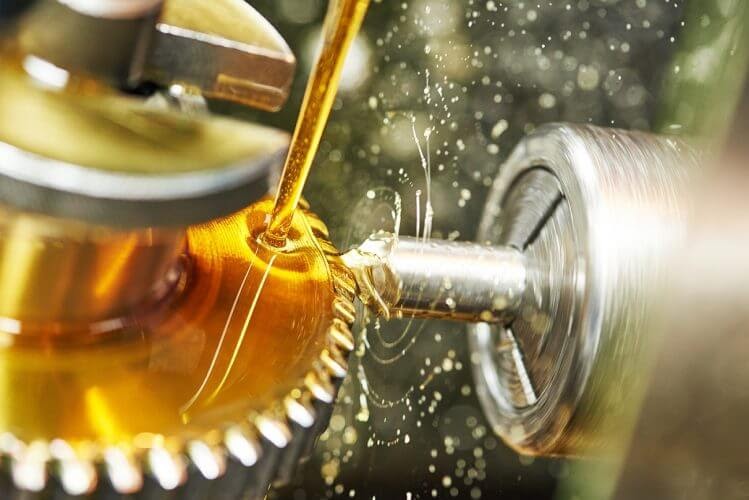
The primary function of gear oil is lubrication, which is essential for the smooth operation of the gearbox. When gears operate, they generate significant friction. Gear oil creates a thin film between metal surfaces, reducing friction and heat generated during operation. This not only reduces wear but also prevents rapid deterioration of components.
b. Heat Reduction
During operation, the temperature within the gearbox can rise significantly. Gear oil has the ability to absorb and dissipate heat, preventing overheating, which can cause damage. By stabilizing the temperature, gear oil ensures continuous and stable operation of the gearbox under harsh conditions.
c. Rust Prevention
Rust and corrosion are common problems in metal components. Gear oil contains additives that prevent rust and corrosion, protecting the internal metal parts of the gearbox from environmental factors like moisture and chemicals. This protection is particularly important in humid environments or when the vehicle is not used for extended periods.
3. The Impact of Gear Oil on Gearbox Durability
a. Prolonging Gearbox Lifespan
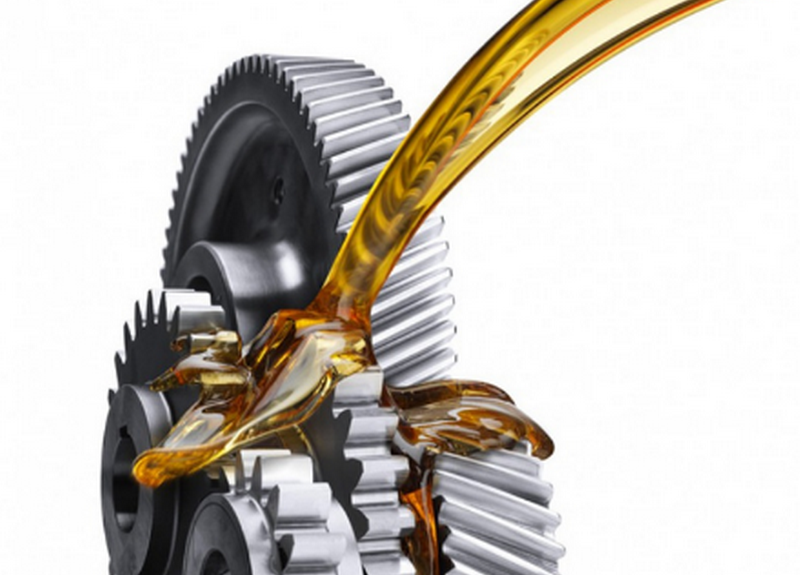
Using high-quality gear oil helps minimize wear and damage, thereby prolonging the lifespan of the gearbox. Proper lubrication allows the gears to operate smoothly, reducing direct impacts and friction, which slows down wear and increases durability.
b. Enhancing Operational Efficiency
Gear oil not only protects components but also helps the gearbox operate more efficiently. By minimizing friction, gears can move more smoothly, reducing energy loss and improving the overall performance of the vehicle. This is especially important for vehicles operating under harsh conditions or heavy loads.
c. Protecting Internal Components
Additives in gear oil protect internal gearbox components from rust and corrosion. Additionally, they help maintain internal cleanliness by preventing the formation of sludge and debris. This protection reduces the risk of breakdowns, lowers maintenance and repair costs in the long run.
4. Choosing the Right Gear Oil
a. Types of Gear Oil
There are various types of gear oil available, from mineral oils to synthetic oils. Mineral oils are usually cheaper but less durable than synthetic oils. Synthetic oils offer better heat and pressure resistance and longer service intervals. When selecting gear oil, refer to the vehicle or equipment manufacturer’s guidelines to choose the most suitable type.
b. Viscosity
The viscosity of gear oil is a crucial factor that directly affects its lubricating and protective capabilities. The viscosity should be sufficient to create a protective film but not so thick as to hinder movement. The viscosity must also match the operating conditions of the vehicle, such as ambient temperature and load. Follow the manufacturer’s recommendations for optimal results.
c. Additives
Gear oils contain various additives that enhance their lubricating properties, reduce friction, and protect the gearbox. These include anti-rust, anti-wear, anti-oxidation, and anti-foaming additives. When choosing gear oil, pay attention to the additive composition to ensure they match the operating conditions and protection requirements of the gearbox.
UNIOIL GEAR OIL
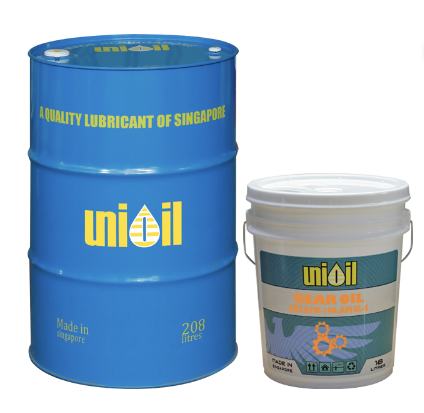
UNIOIL GEAR OIL is multi-grade extreme pressure gear oil, used in gearboxes, differential gear, epicyclic gearing and transmission hypoid systems, operation with high speed, subject to extremely high and heavily shock load operations.
Characteristics
• Formulated with high levels of extreme pressure and anti-wear additives properties to help protect surface metals and extend the life of gearboxes
• Very high thermal stability and oxidation resistance help to maintain the properties of oil in all conditions, prevent the formation of sludge and extend the life of oil.
• Can use the whole year, even in cold weather conditions, easy to start up.
5. Conclusion
Gear oil plays a vital role in protecting and prolonging the lifespan of the gearbox. Using the right gear oil and changing it regularly not only improves operational efficiency but also protects your investment in vehicles and machinery. Always pay attention to gearbox maintenance and choose high-quality gear oil to ensure smooth and durable drivetrain operation.